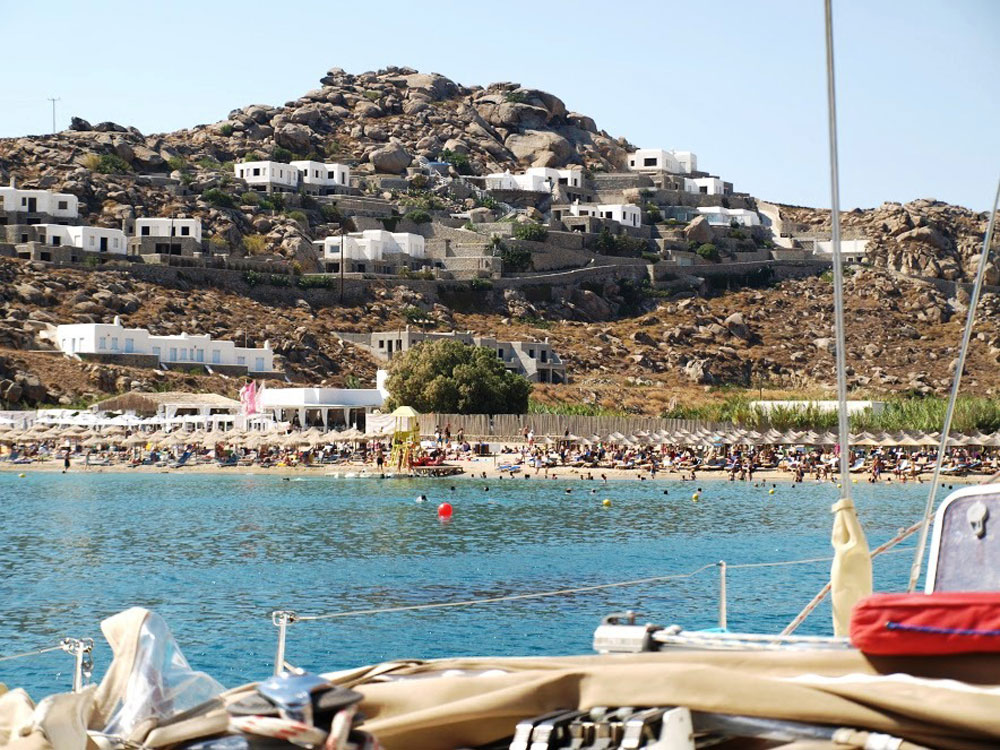
Mykonos Island

Let’s introduce it…


The History of Mykonos

Mykonos, located approximately 93 miles east of Athens in the Aegean Sea, lies at the heart of the Cyclades archipelago. Beyond its modern reputation, the island boasts a rich culture and a civilization that stretches back thousands of years.

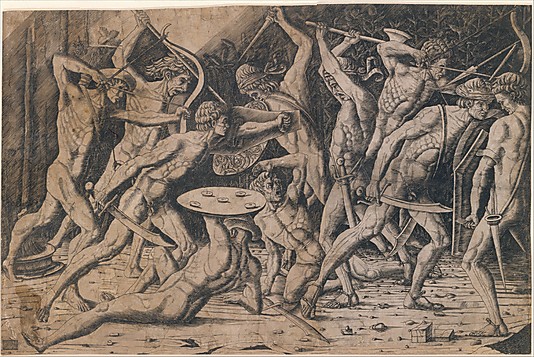
According to Greek mythology, Mykonos was named after its first ruler, Mykonos, who was believed to be the son —or grandson— of the god Apollo. Legend tells that the island was formed after a fierce battle in which Hercules defeated the invincible Giants. Their bodies were transformed into massive rocks, giving rise to the island’s rugged landscape. This mythological origin is reflected in the meaning of the name Mykonos, often interpreted as “a mass of stones” or a “rocky place”.

Archaeological discoveries reveal that Mykonos was inhabited as early as 3000 BC by Neolithic tribes such as the Kares, as well as Phoenician settlers. However, the first organized colonists are believed to have been the Ionians from Athens, who settled on the island in the early 11th century BC.

Thanks to its close proximity to Delos, one of the most important religious and commercial centers of the ancient world, located just a few miles southwest—Mykonos developed into a vital supply hub and transit point. For centuries, the island’s fate was closely tied to its powerful neighbor.

Over the next six thousand years, Mykonos came under the rule of numerous foreign powers. It was occupied by the Romans, later incorporated into the Byzantine Empire until the 12th century, and subsequently dominated by Venetians, Ottomans, and other rulers. In 1537, Mykonos, along with most of the Cycladic islands, fell under Ottoman control.

The Greek War of Independence against the Ottoman Empire erupted in 1821, with Mykonos playing a significant role under the leadership of the heroic Mykonian figure, Manto Mavrogenous. She devoted her personal fortune to the revolutionary cause, making her one of the most prominent female figures of the struggle. Greece gained its independence in 1830 and today a statue of Manto Mavrogenous stands proudly in the central square of Mykonos Town bearing her name.

Following independence, Mykonos worked to rebuild its economy, which had suffered greatly during the years of conflict. The island strengthened its commercial trade and established economic ties with southern Russia, Moldavia and Wallachia. However, by the late 19th century, Mykonos experienced another decline, exacerbated by the opening of the Corinth Canal in 1904 and the outbreak of World War I. Many islanders were forced to leave in search of work, relocating to Athens, Piraeus and even overseas destinations such as the United States.

Tourism gradually emerged as the solution to the island’s economic challenges. A turning point came in 1872, when the French Archaeological School of Athens began major excavations on Delos. Scholars, historians, and lovers of Greek mythology soon discovered not only the ancient ruins but also the charm of nearby Mykonos. This early tourism development was temporarily halted by the Second World War.

In the 1950s, tourism flourished once again. Mykonos became a favored retreat for artists, intellectuals, politicians, and wealthy European travelers. From that moment on, the island evolved into an international hotspot, while still preserving the echoes of its mythological and historical past.

Island's Sightseeing

There are over 3,500 islands surrounding Greece, of which more than 1,100 are inhabited. This extraordinary archipelago forms a true sailing paradise, offering an endless variety of coves, bays, and secluded anchorages.

Mykonos belongs to the Cyclades, a group of 220 islands located in the heart of the Aegean Sea, south of Athens, forming an imaginary circle around the sacred island of Delos.

For a truly unforgettable experience, consider a Mykonos Sunset Sailing Cruise, where you can admire the breathtaking Cycladic seascape at its most magical moment of the day, as the sun melts into the Aegean horizon.

The island has a population of approximately 12,500 residents, most of whom live in Mykonos Town, also known as Chora, the island’s capital. Chora is entirely pedestrianized and hosts the island’s most important sightseeing spots, renowned fashion boutiques and local artisan shops, lively traditional bars, refined international restaurants, and authentic Greek tavernas.

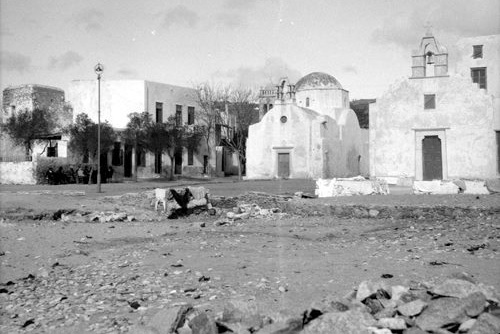
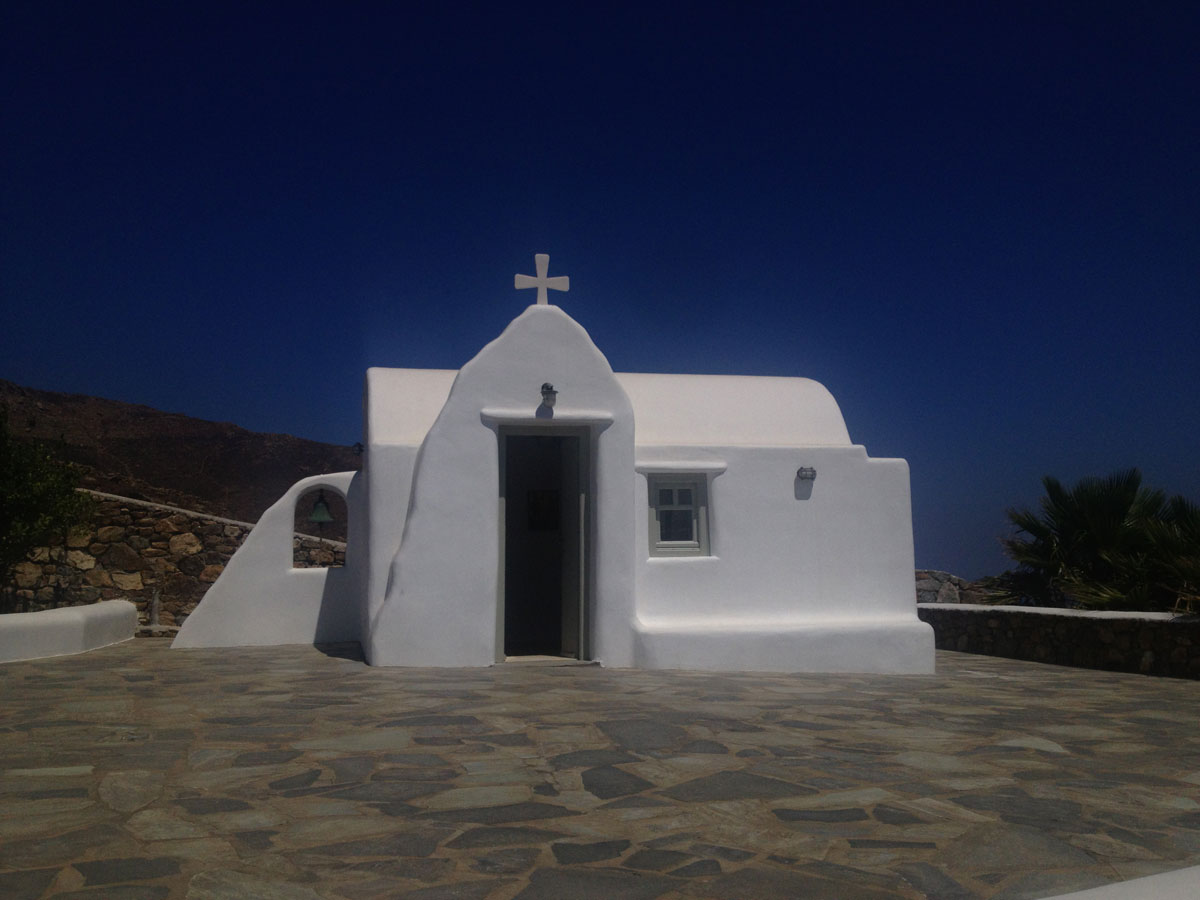
The architecture of Chora is quintessentially Cycladic: whitewashed houses with colorful doors and blue-framed windows, narrow winding streets paved with pebbles and an astonishing number of small Byzantine white chapels with sky-blue domes. These chapels —around 400 across the island— were built as ex-votos by sailors or as private family churches. Centuries ago, residents designed the maze-like layout of the streets to confuse pirates who frequently attacked the island; today, these twisting alleys are an essential part of Chora’s unique charm.

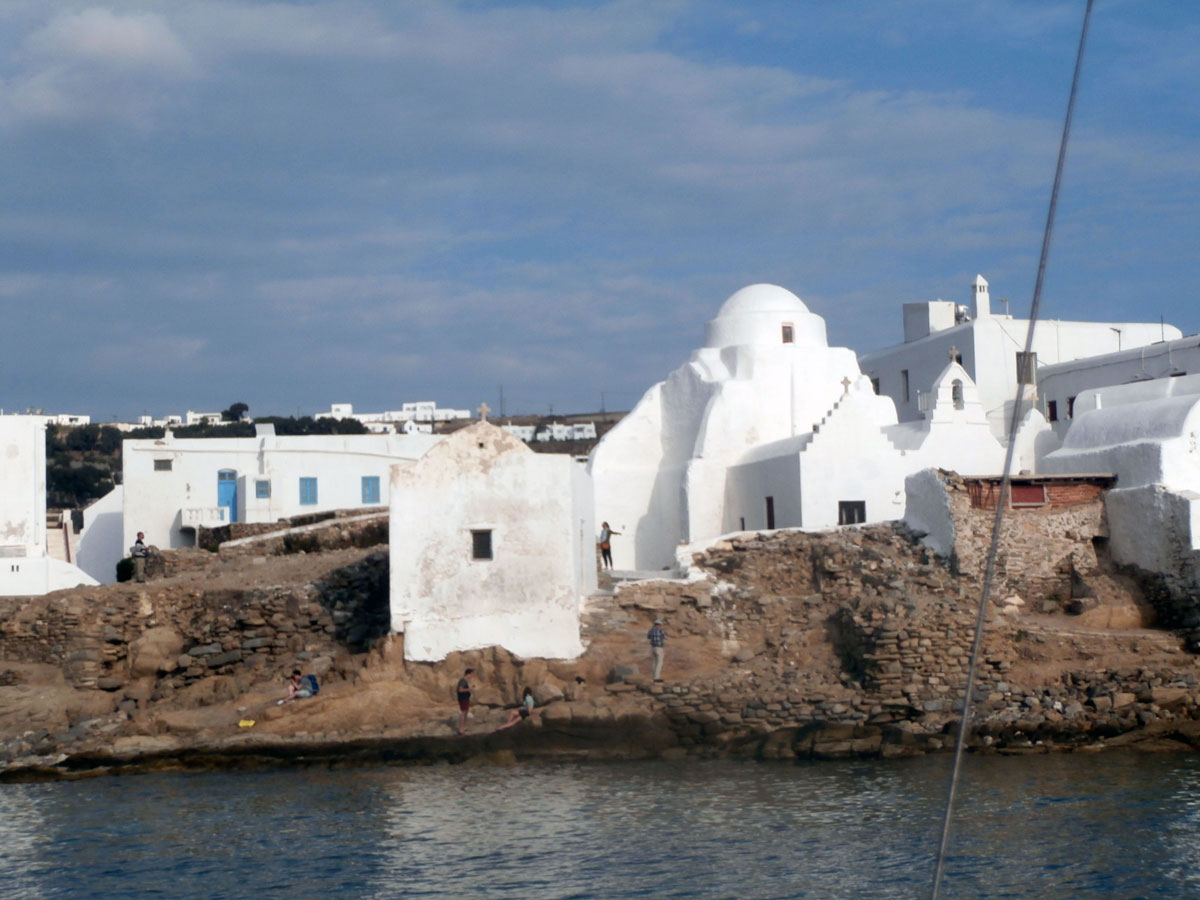
One of Mykonos’ most emblematic monuments is Panagia Paraportiani, a complex of five churches dedicated to the Virgin Mary, built between the 14th and 17th centuries. The name “Paraportiani” means “the side door,” referring to its location next to the entrance of the medieval walls that once protected the Kastro, the island’s old fortified settlement.

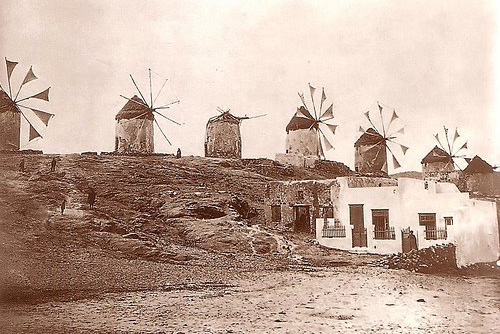
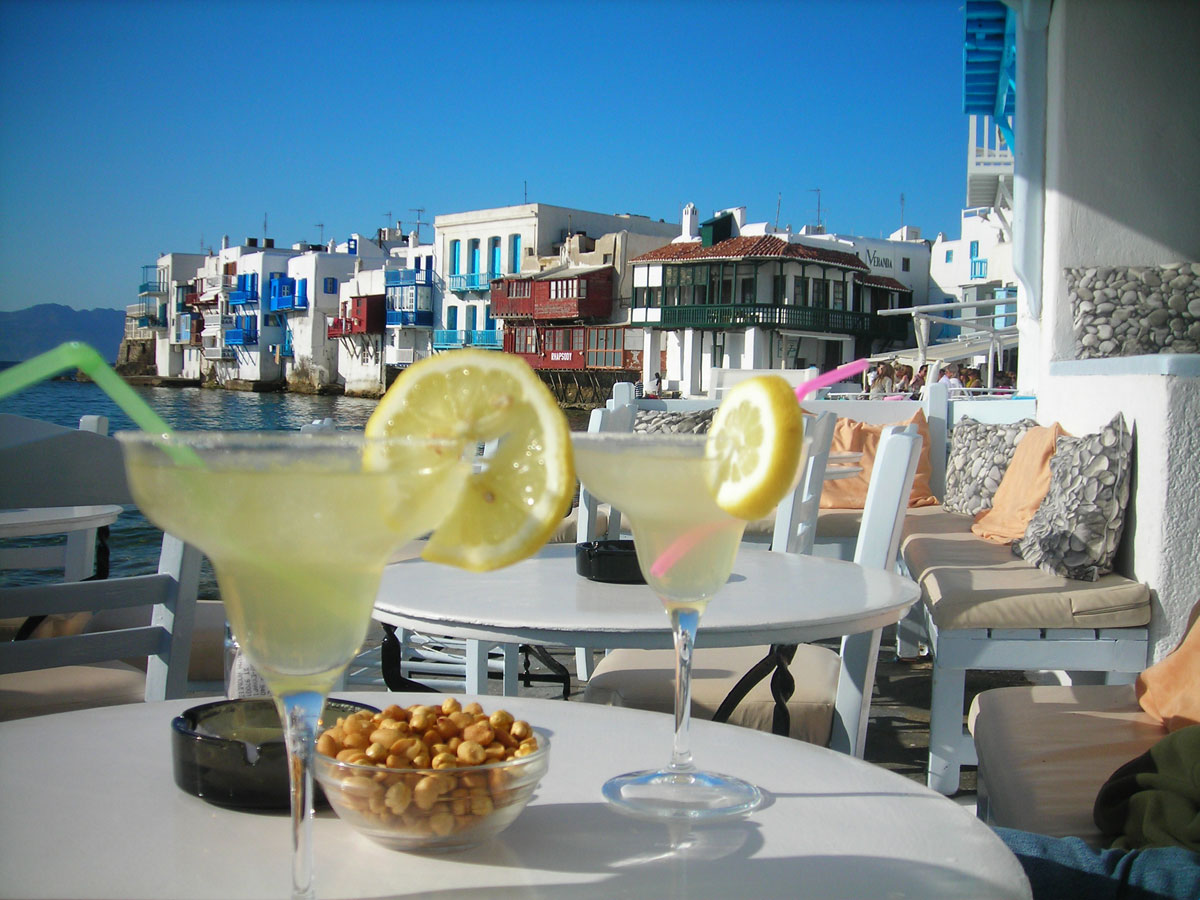
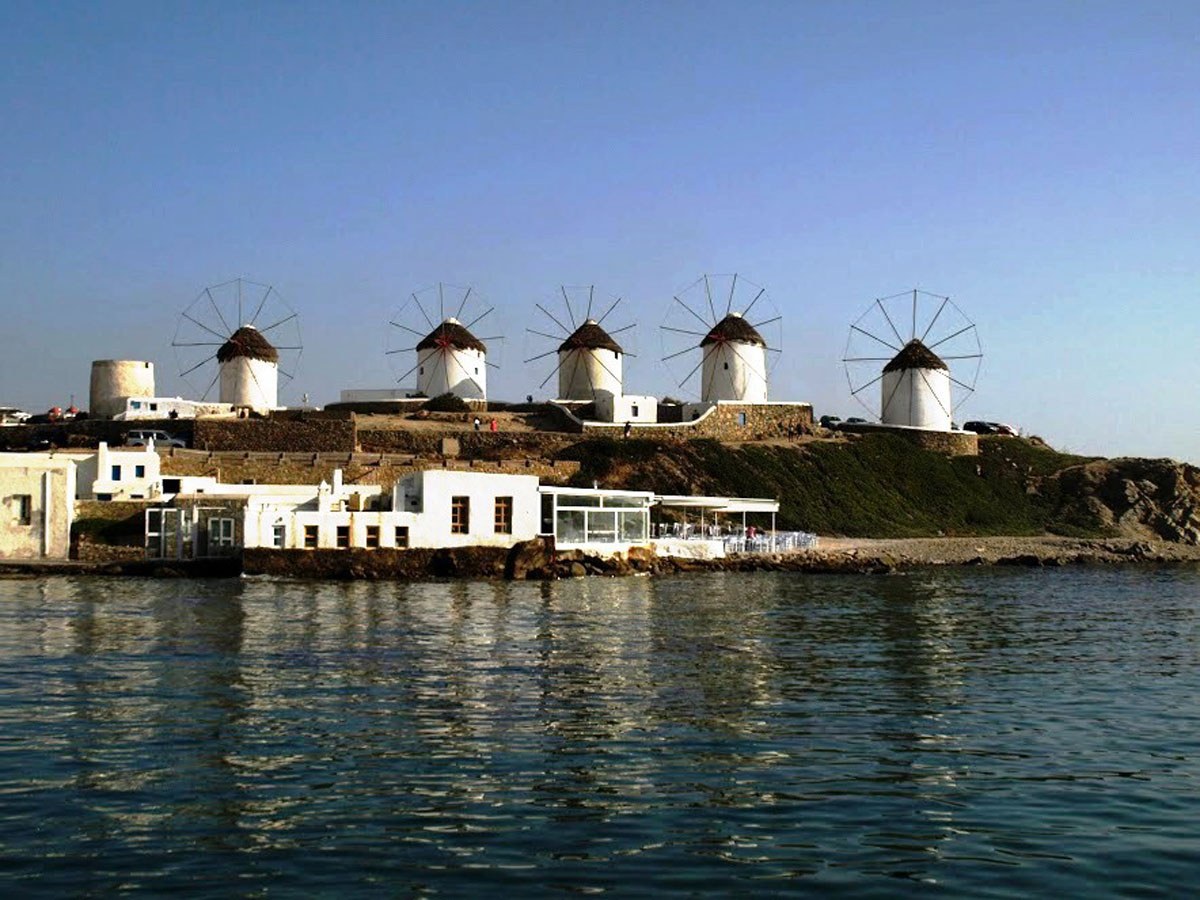
Among the most picturesque areas of the island is Alefkantra, better known as Little Venice. This enchanting seaside neighborhood features distinctive houses with colorful façades and wooden balconies perched directly over the sea, offering stunning views of the iconic Windmills standing on the hillside above. Built in the mid-18th century as a residential area for wealthy sea captains and shipowners, Little Venice is considered the most romantic spot on the island, especially at sunset, when visitors can enjoy a cocktail at one of its many bars, clubs, or tavernas.

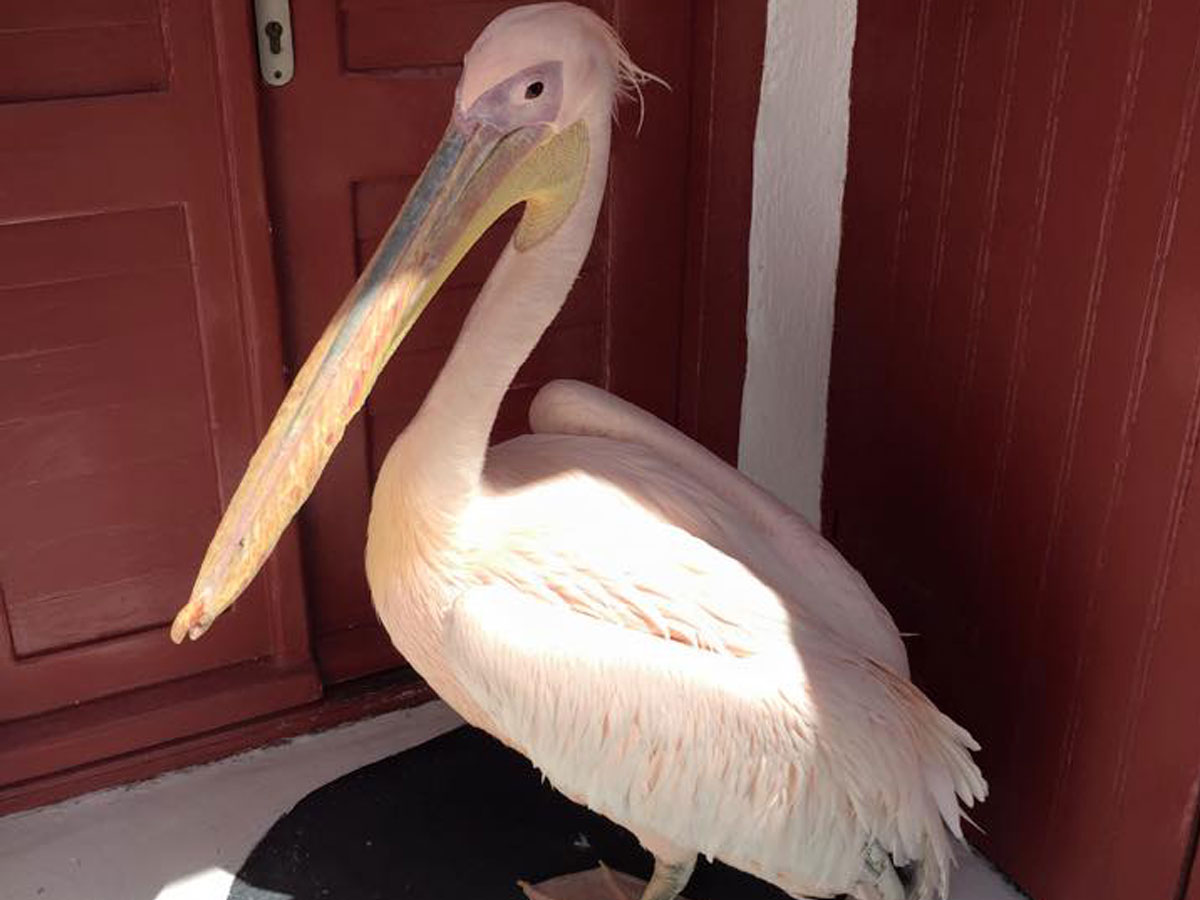
One of Mykonos’ most beloved attractions —and a true celebrity in Greece and abroad— is Petros the Pelican, the island’s official mascot. The original Petros was found injured by a fisherman after a storm in 1954 and soon became a companion to locals and visitors alike. Today, the famous pelican Petros is the successor of the original, continuing a tradition that has become part of Mykonos’ identity.

The Hotspots of Mykonos

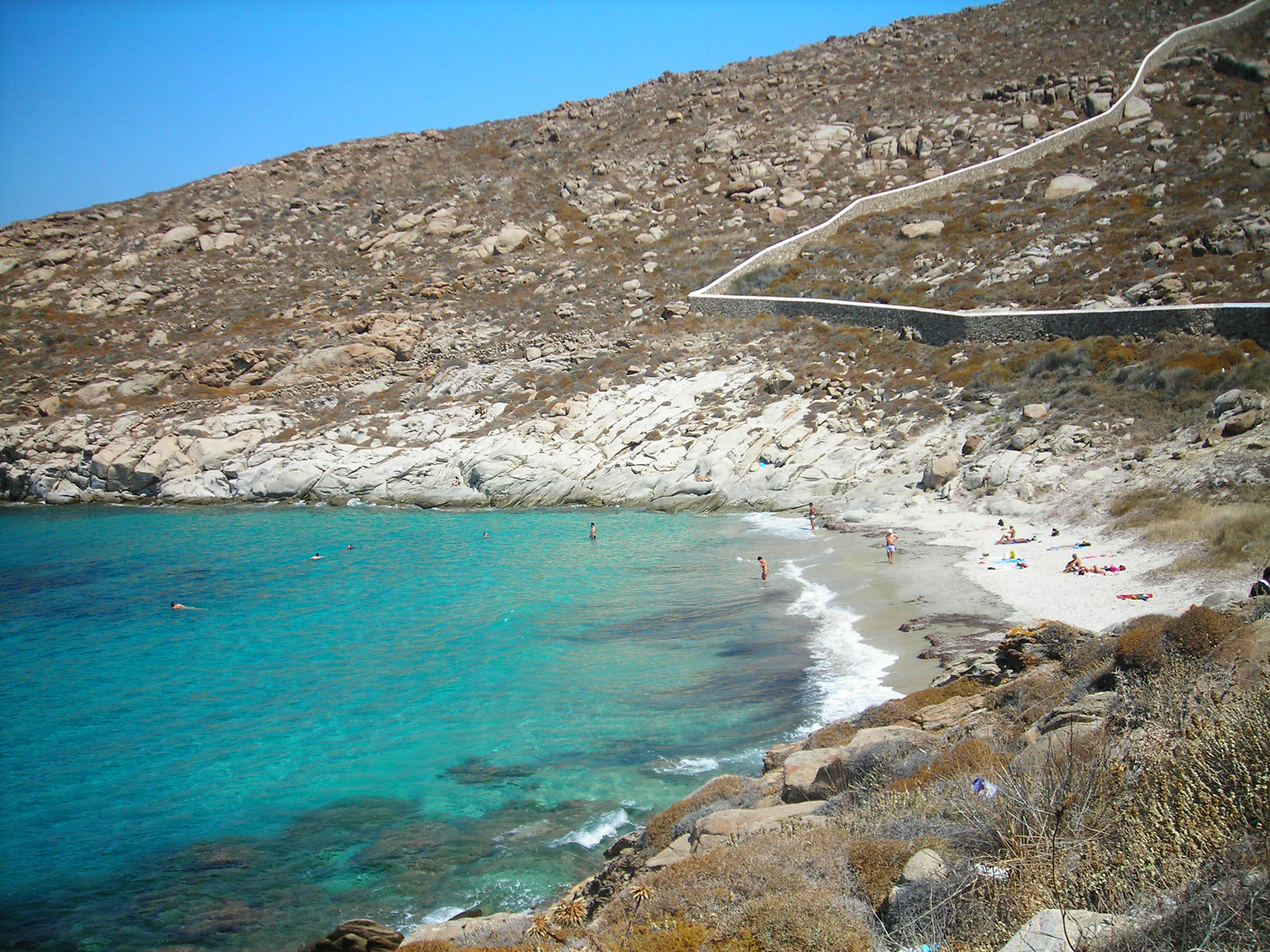
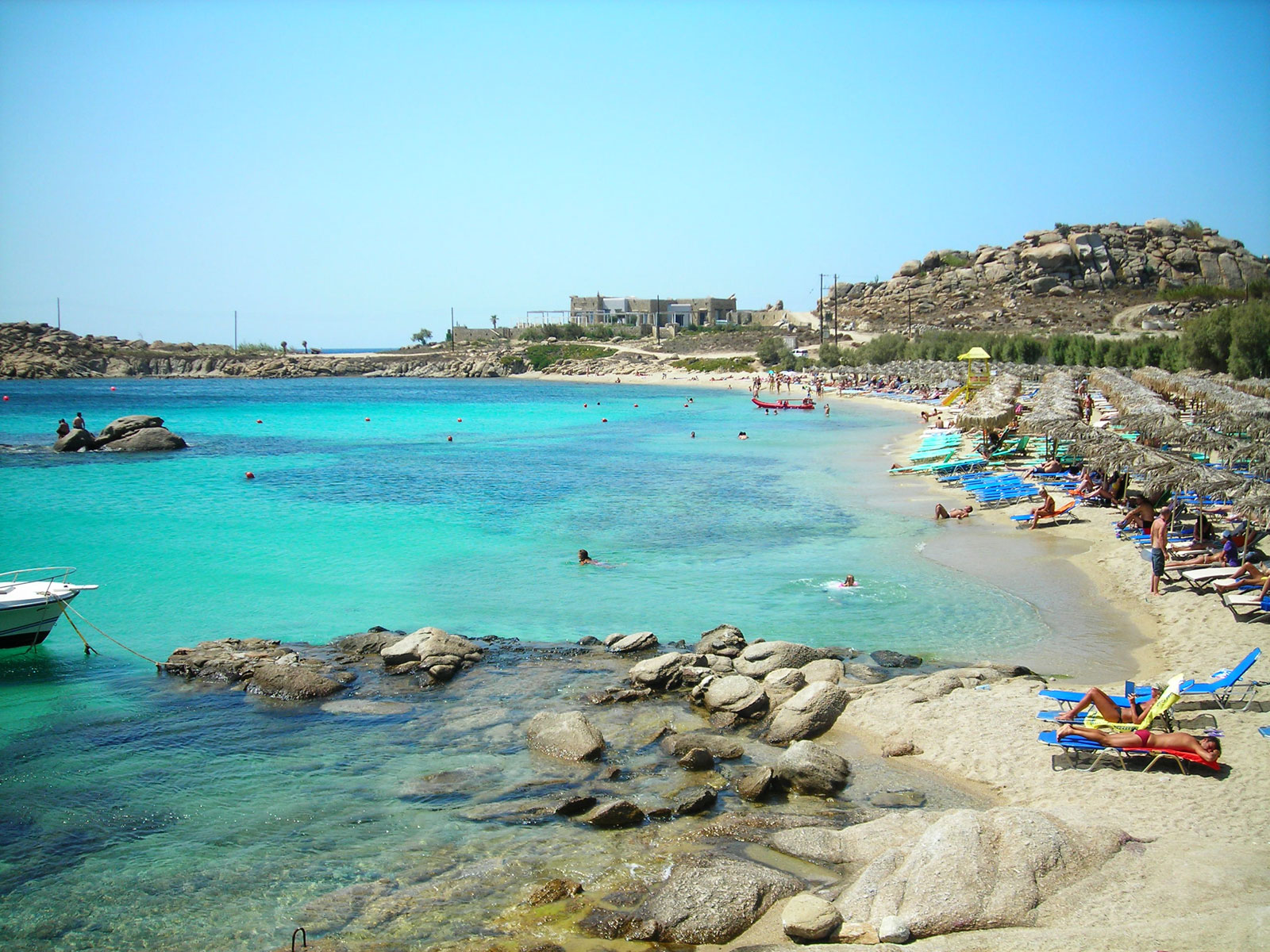
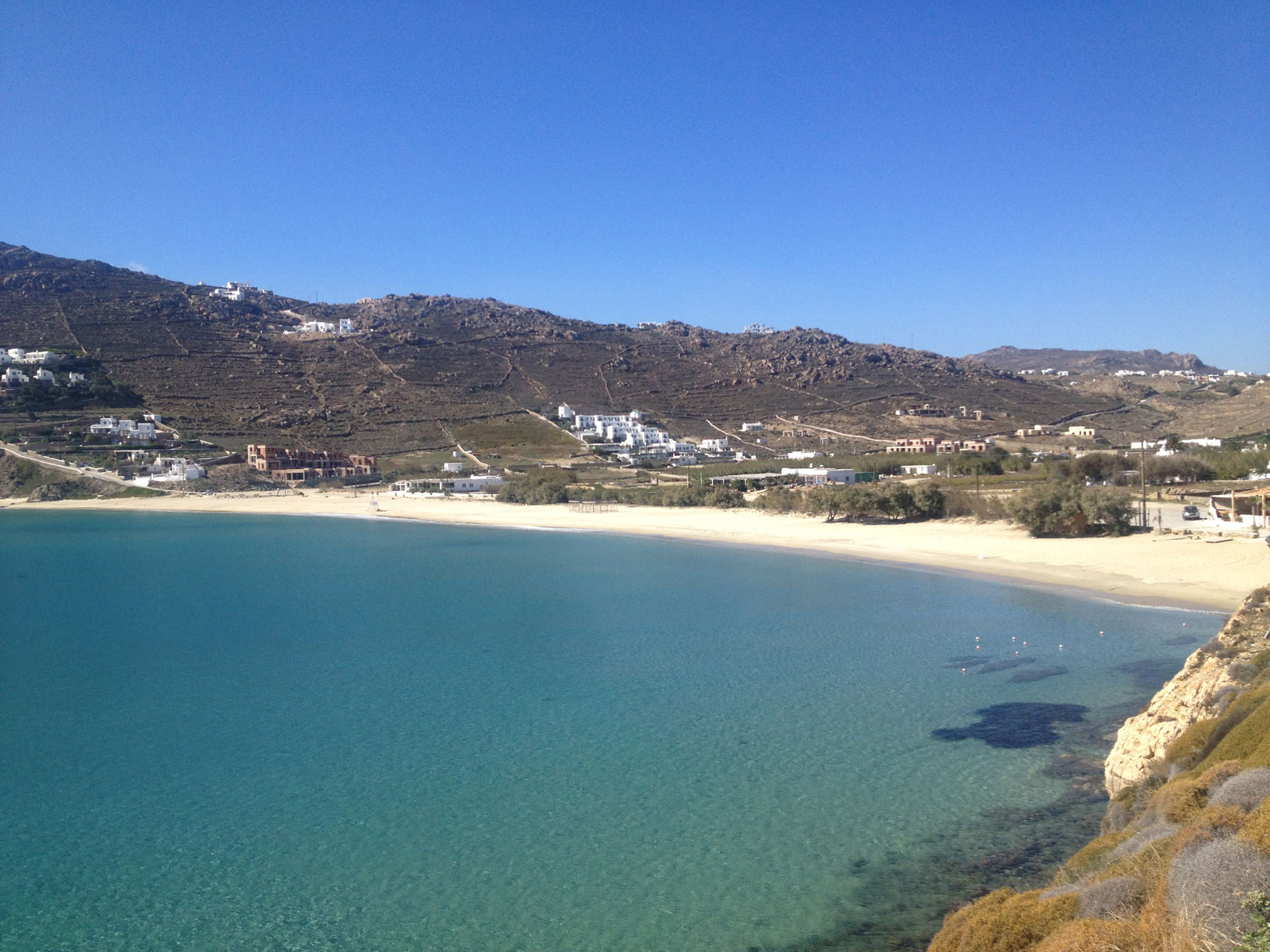
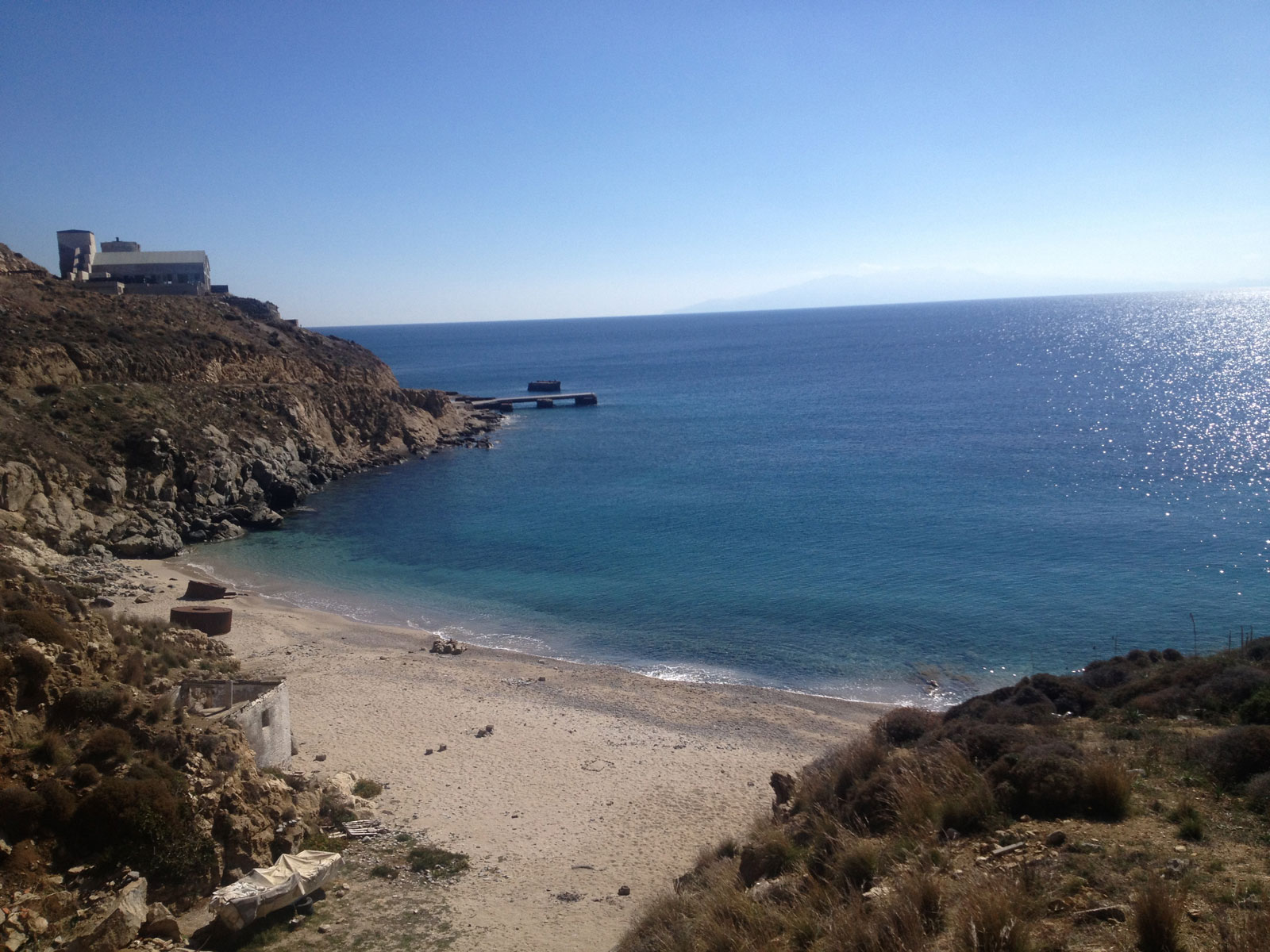
Mykonos is often called the “Capri of Greece”, a nickname earned thanks to its numerous and breathtaking beaches.

Along the southern coast, visitors will find a wide selection of well-organized and lively beaches, where the sea is usually calm and ideal for swimming and relaxation. Popular choices include Ornos, Platis Gialos, the cosmopolitan Psarou Beach, Elia, Kalo Livadi, Kalafatis and Lia. For those seeking vibrant nightlife and a high-energy atmosphere, the island’s famous party beaches —Paradise, Super Paradise and Paraga— are must-visit destinations.

In contrast, the north and northwest coasts offer a more natural and untamed beauty. These beaches are less organized and are perfect for days when the southerly winds ("Meltemi") are blowing. Highlights include Agios Stefanos, Agios Ioannis, Agrari, Panormos, Agios Sostis, Ftelia and Fokos, all known for their rugged landscapes and relaxed, authentic vibe.

This is Mykonos…relaxation…entertainment…culture…sun and sea…